
The world is of a foolish minde
- Liberation from Serfdom
Music by Pierre de la Rue, J. Wannenmacher, B. Resinarius, S. Zirler and traditional songs from the 16th century
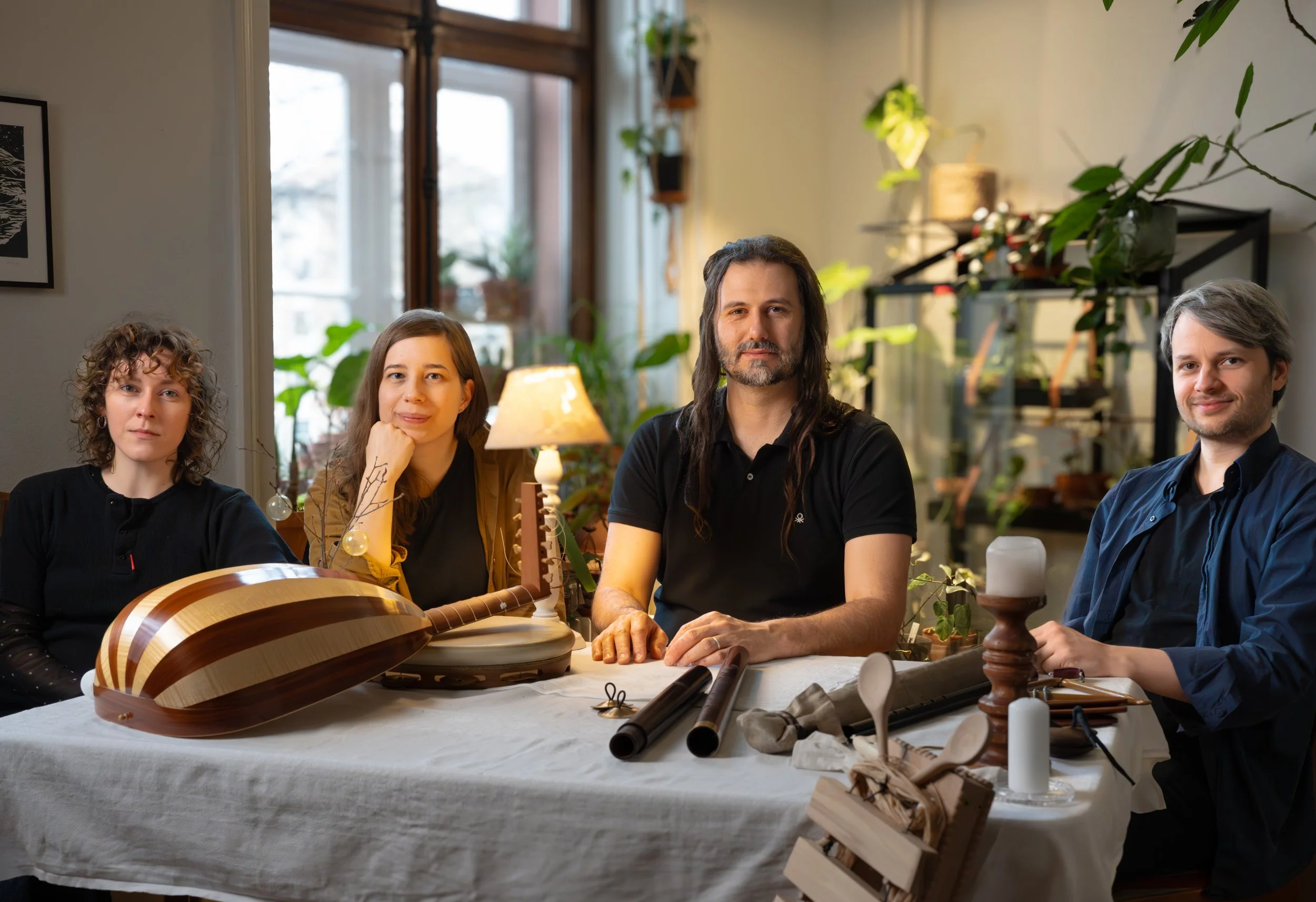
(c) Andrew Burn
We are going on a journey half a millennium before our time: Between 1524 - 1526, large areas of the German-speaking world were gripped by significant upheavals, which originated largely among farmers and village communities. Nothing less than the right to self-determination for the poorest members of society was at stake.
We visit rural taverns and reconstruct the songs of the common people using typical instruments such as the hammered dulcimer and straw fiddle (a predecessor of the modern xylophone), which have been handed down to us from descriptions in the 16th century and are still played in the traditional music of many regions today. Texts and music from this period reflect the life of deprivation of the peasant population, who had to pay high taxes to feudal lords and monasteries. The nobility and bourgeoisie, on the other hand, cultivated a very different kind of music: Italian fantasies and French chansons were ‘en vogue’, and those who could afford it owned fine musical instruments such as lutes or transverse flutes and sang from expensive music prints. The ideas of the Reformation triggered centuries of conflict and negotiations on questions of faith. Amidst all this, mercenaries from the Swiss armies, seeking to escape poverty in their villages, roamed the countryside with pipes and drums in search of adventure. And ultimately, we must ask ourselves where the exploitation of the poorest has shifted half a millennium later.